 My Account Sign-In




Sign-up for {N}power to get exclusive discounts, newsletters, members-only features, and more!
 Denver - Design District - Alameda and Broadway
368 S Broadway
Denver, CO 80209
United States
 Preferred Store:
Select a Store
Preferred Store:
Select a Store
"This abundance of berries feels like a pure gift from the land… You could call them natural resources or ecosystem services, but the robins and I know them as gifts.”
—Robin Wall Kimmerer, The Serviceberry: Abundance and Reciprocity in the Natural World1
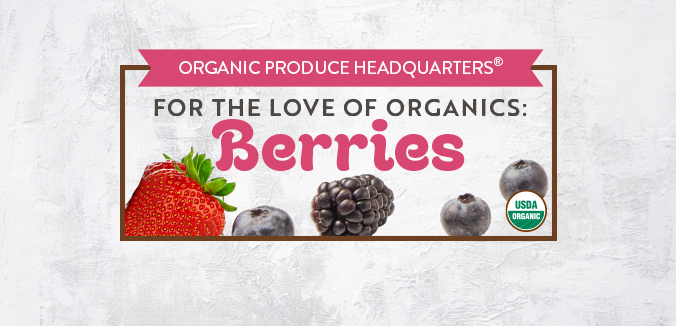
Fingers adorned with raspberries, sun-warmed blueberries nestled in small bowls atop picnic blankets, strawberries dipped in decadent, melted chocolate—every berry truly is a gift. Sometimes they may require a small scrape or two to reach into the brambles, but they are always worth the trouble. And when the brambles are out of reach, store-bought berries are just as wonderful, as long as they are organic.
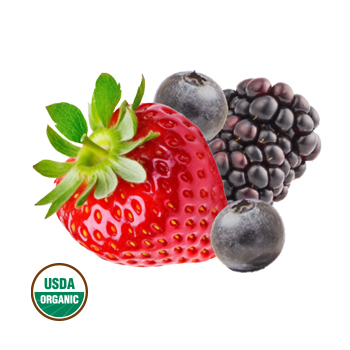
The gift of berries is all the sweeter without a coating of pesticides. Unfortunately, they are some of the most residue-ridden fruits, according to the Environmental Working Group’s annual Dirty Dozen list. Strawberries, a mainstay on the list, came in second place in 2025 (just after spinach) for the highest amount of pesticide residues, with 99 percent of all conventional samples having at least one pesticide residue present. Thirty percent of those strawberries had 10 or more pesticides!2 And new to the list, with 80 percent of samples having two or more pesticides, are blackberries.3 Based on the most recent USDA data from 2023, 22 percent of the blackberry samples exceeded pesticide tolerance levels.4 Blueberries made the list too, with 90 percent of samples having residues, and a single sample showing up to 17 different residues. If that wasn’t worrisome enough, two of the pesticides found on blueberries are neonicotinoids that are neurotoxic to humans and pose an enormous risk to bee populations.5 6
The work of bees impacts one in three bites of food we take.7 And there are so many types of bees to thank for pollination work! Honeybees, or Apis mellifera, are the most common bee in agriculture and are often domesticated for their pollination services on the farm. However, wild bees play an important role in agricultural pollination, too. Osmia aglaia, a wild, shimmering metallic-green bee in the Pacific Northwest plays its own unique role in pollinating blackberries and raspberries. It is well-documented that pollinators help make fruits bigger, plumper, and as much as 30 percent heavier with juicy, nutritious goodness.8 Wild bee populations (and domesticated ones, too) are put at risk by conventional agriculture’s use of synthetic pesticides that drift and poison ecosystems, especially noenicitinoids like the ones on conventional blueberries. Organic berries are a win for the bees, and therefore a win for all.
Wild berries play important cultural and ecological roles all over the globe, including the far and icy north. In the Arctic, wild berries help stabilize fragile layers of tundra soil. Lingonberries and cloudberries are culturally celebrated and nutritionally important sources of vitamin C in these less food-fertile places. Warming temperatures and more extreme weather patterns are putting some of these berries at risk, while other, invasive northern berries expand their territories and put other Arctic plant life at risk. Though the Arctic may seem like a world away, the agricultural practices we use here have a direct impact on climate change globally9—up to 23 percent of human-caused greenhouse gas emissions come from conventional agricultural production.10 Organic production, on the other hand, has shown time and time again to be more environmentally sustainable by not just supporting life, but regenerating life.11
Choosing organic is like giving a gift to nature, as it so abundantly gifts us every day.
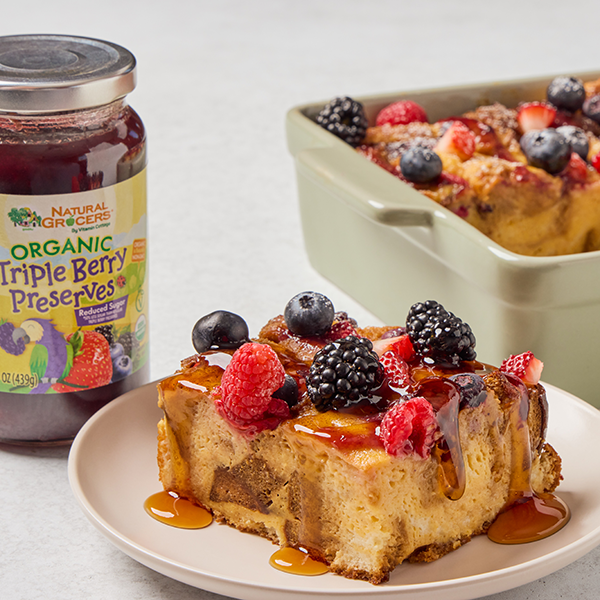
This Triple Berry Gluten-Free French Toast Bake is your go-to dish for a stress-free and delicious Sunday brunch. With no dipping, flipping, or frying required, you can prepare it the night before and pop it in the oven the next morning—effortless and indulgent! Bursting with the vibrant flavors of three berries, this fluffy French toast bake is sure to delight your guests and have everyone coming back for seconds… or even thirds.
Sign-up for {N}power to get exclusive discounts, newsletters, members-only features, and more!